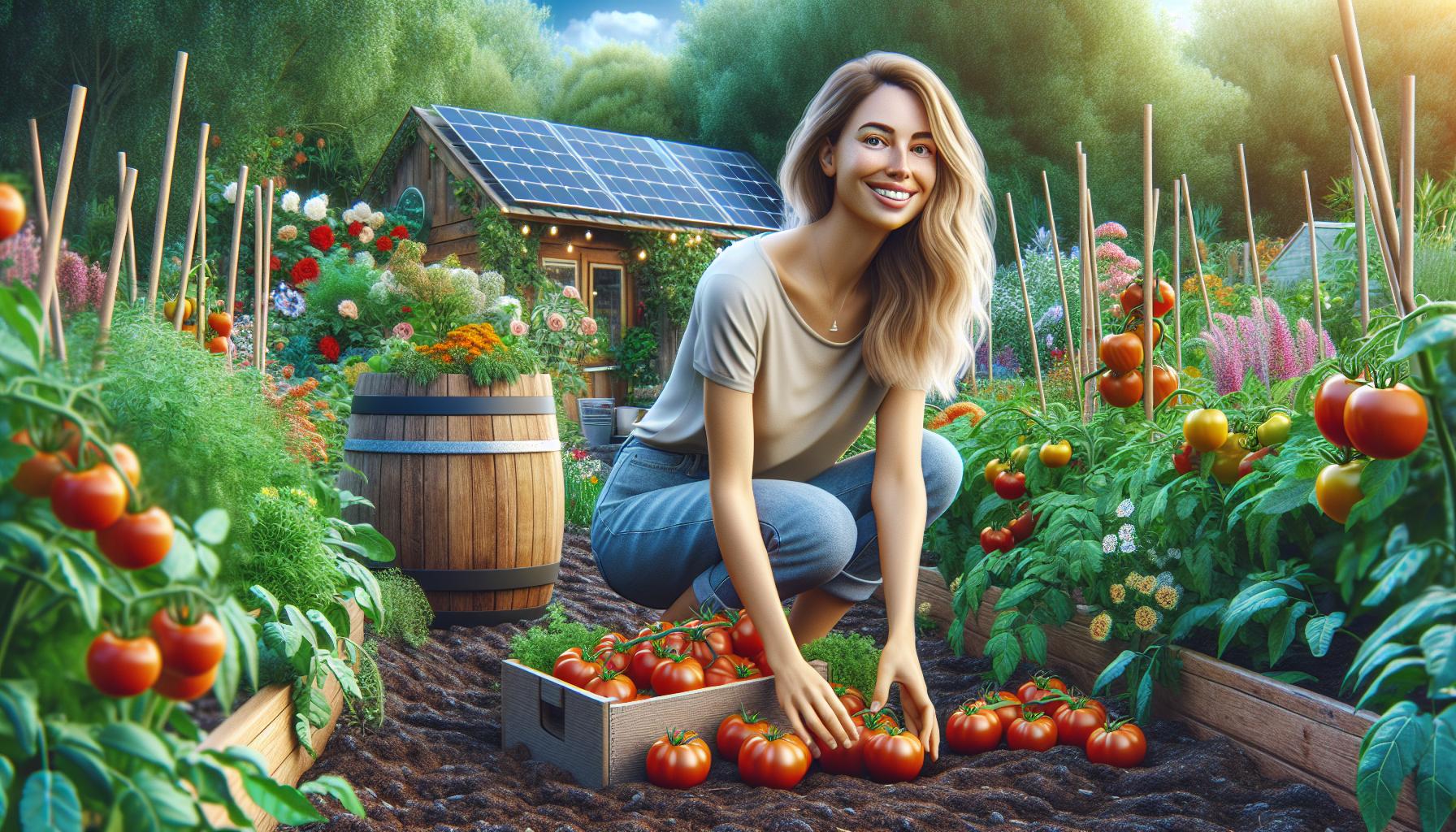
In a world where grocery prices seem to climb faster than a cat up a tree, self-sustainable living is more than just a trend—it’s a lifestyle revolution. Imagine waking up to the sweet aroma of fresh herbs right outside your door, or plucking ripe tomatoes from your very own garden. No more frantic dashes to the store or worrying about supply chain hiccups.
Self-sustainable living isn’t just about hugging trees and singing Kumbaya; it’s about taking control of one’s life while saving a few bucks. With a sprinkle of creativity and a dash of elbow grease, anyone can transform their home into an eco-friendly haven. Get ready to dive into the joys of growing your own food, harnessing renewable energy, and maybe even befriending a chicken or two. It’s time to embrace a lifestyle that’s not only good for the planet but also good for the soul.
Self Sustainable Living
Self-sustainable living focuses on creating a lifestyle that reduces dependency on external resources. Individuals often cultivate their own food, manage waste, and utilize renewable energy sources. By doing so, they enhance food security and minimize environmental impact.
This lifestyle addresses the rising grocery prices and supply chain issues. Many people find joy in growing vegetables and fruits in home gardens or through container gardening. Adopting eco-friendly practices further contributes to a sustainable environment.
Water conservation techniques play a crucial role in self-sustaining homes. Rainwater harvesting systems allow homeowners to collect and use rainwater for gardening or household purposes. Composting food scraps reduces waste and enriches soil, promoting healthier plants.
Utilizing solar panels generates clean energy, lowering utility costs. Homeowners adopt various energy-efficient appliances to further decrease their energy consumption. Such changes demonstrate a commitment to reducing one’s carbon footprint.
Permaculture principles guide many in designing their sustainable spaces. These practices create self-sufficient ecosystems that support biodiversity while providing food and resources. Additionally, raising chickens or bees offers a source of protein and honey, enhancing nutrition and self-reliance.
Building community connections strengthens the self-sustainable living movement. People engage in local co-ops or community gardens, sharing resources and knowledge. This collaborative spirit fosters resilience and encourages an eco-friendly mindset.
With self-sustainable living, the focus shifts towards long-term wellness and environmental stewardship. As more individuals embrace these practices, a cultural shift towards sustainability becomes apparent. The lifestyle promotes health, creativity, and control over one’s environment, contributing to overall well-being.
Key Principles of Self Sustainable Living
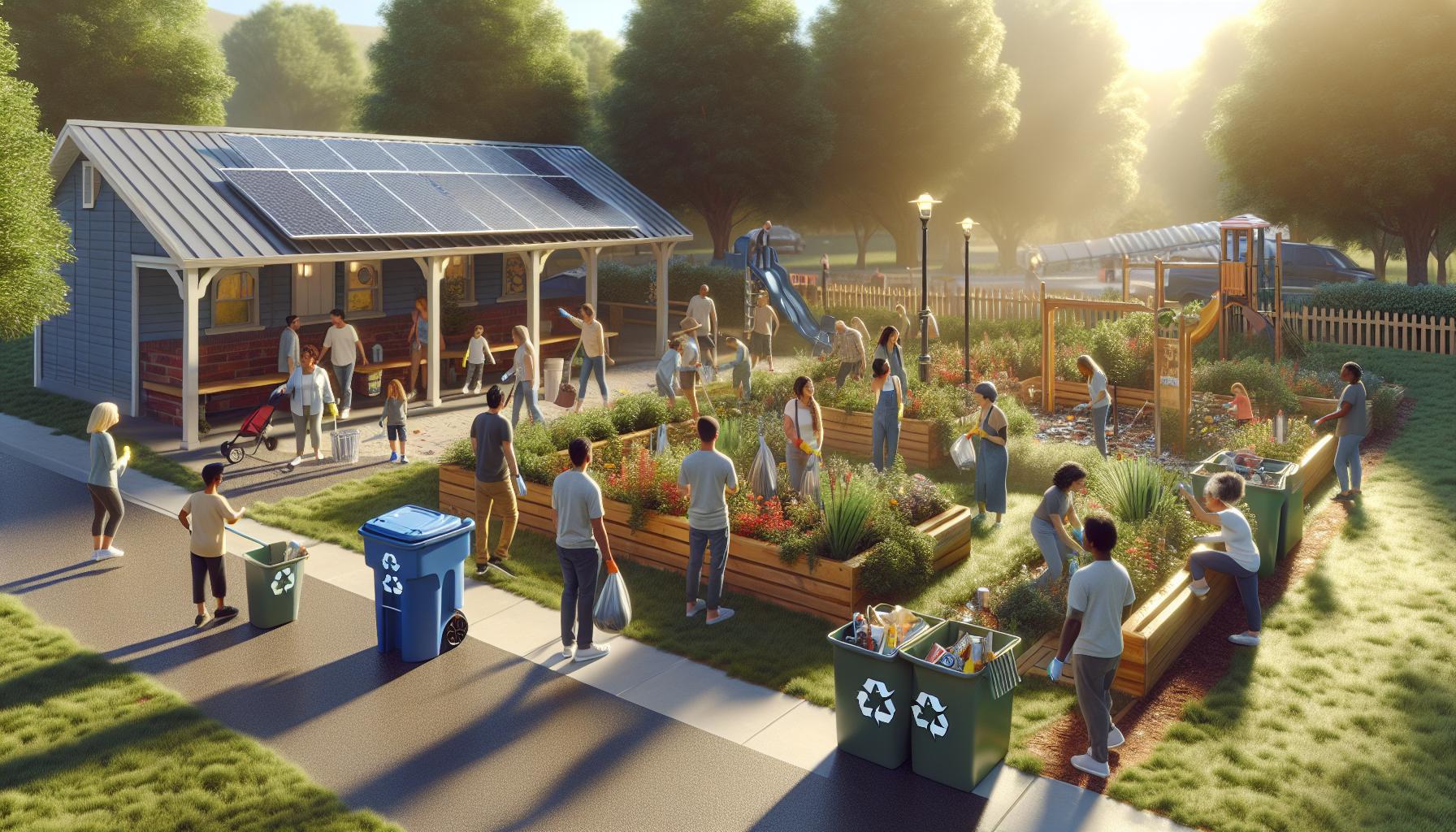
Self-sustainable living promotes responsible use of resources. It revolves around several key principles designed to reduce dependency on external systems.
Reduce, Reuse, Recycle
Reducing waste constitutes the core of self-sustainable living. Items like packaging, plastic bags, and single-use products simply need less consumption. Reusing materials extends their life; for example, glass jars can become storage or planters. Recycling transforms waste into valuable resources, closing the loop of consumption. Communities often provide recycling programs to ensure materials get proper processing. Understanding local guidelines helps improve recycling rates and minimizes landfill contributions.
Energy Efficiency
Energy efficiency plays a critical role in self-sustainable living. Implementing measures like LED lighting reduces energy consumption significantly. Energy-efficient appliances save money on utility bills while lessening environmental impact. Upgrading insulation in homes decreases heating and cooling demands. Using programmable thermostats allows for better energy management throughout the day. Solar panels offer renewable energy sources, providing both savings and independence from the grid.
Water Conservation
Water conservation is vital in self-sustainable living. Techniques like rainwater harvesting collect valuable precipitation for irrigation. Utilizing drip irrigation in gardens ensures plants receive moisture directly, minimizing waste. Greywater systems recycle water from sinks and showers for landscaping use. Installing low-flow fixtures reduces water usage in households significantly. Regularly checking for leaks also prevents water loss, promoting responsible consumption.
Setting Up a Self Sustainable Home

Creating a self-sustainable home involves thoughtful planning and consideration of various factors that contribute to an eco-friendly lifestyle. By focusing on location and essential features, individuals can establish a productive and efficient living environment.
Choosing the Right Location
Selecting an appropriate location plays a crucial role in self-sustainable living. Properties with ample sunlight support solar energy systems, enabling the efficient generation of electricity. Access to water sources for gardening and rainwater harvesting enhances self-sufficiency. Proximity to community resources, such as local markets and co-ops, fosters collaboration and strengthens social ties. Ensuring good soil quality encourages successful food production, while mindful placement of structures maximizes wind and sunlight exposure. Ultimately, choosing the right location creates a foundation for a thriving self-sustainable home.
Essential Home Features
Incorporating essential features helps create a self-sustainable home. Energy-efficient appliances reduce overall energy consumption and lead to lower utility bills. Installing solar panels generates renewable energy, contributing to reduced reliance on traditional power sources. Systems for rainwater collection and greywater recycling optimize water usage, supporting gardening and other household needs. Integrating organic gardening spaces encourages food production while promoting biodiversity. Utilizing natural building materials enhances the environmental footprint of the home. Overall, these features enable individuals to pursue a more sustainable and self-sufficient lifestyle.
Benefits of Self Sustainable Living
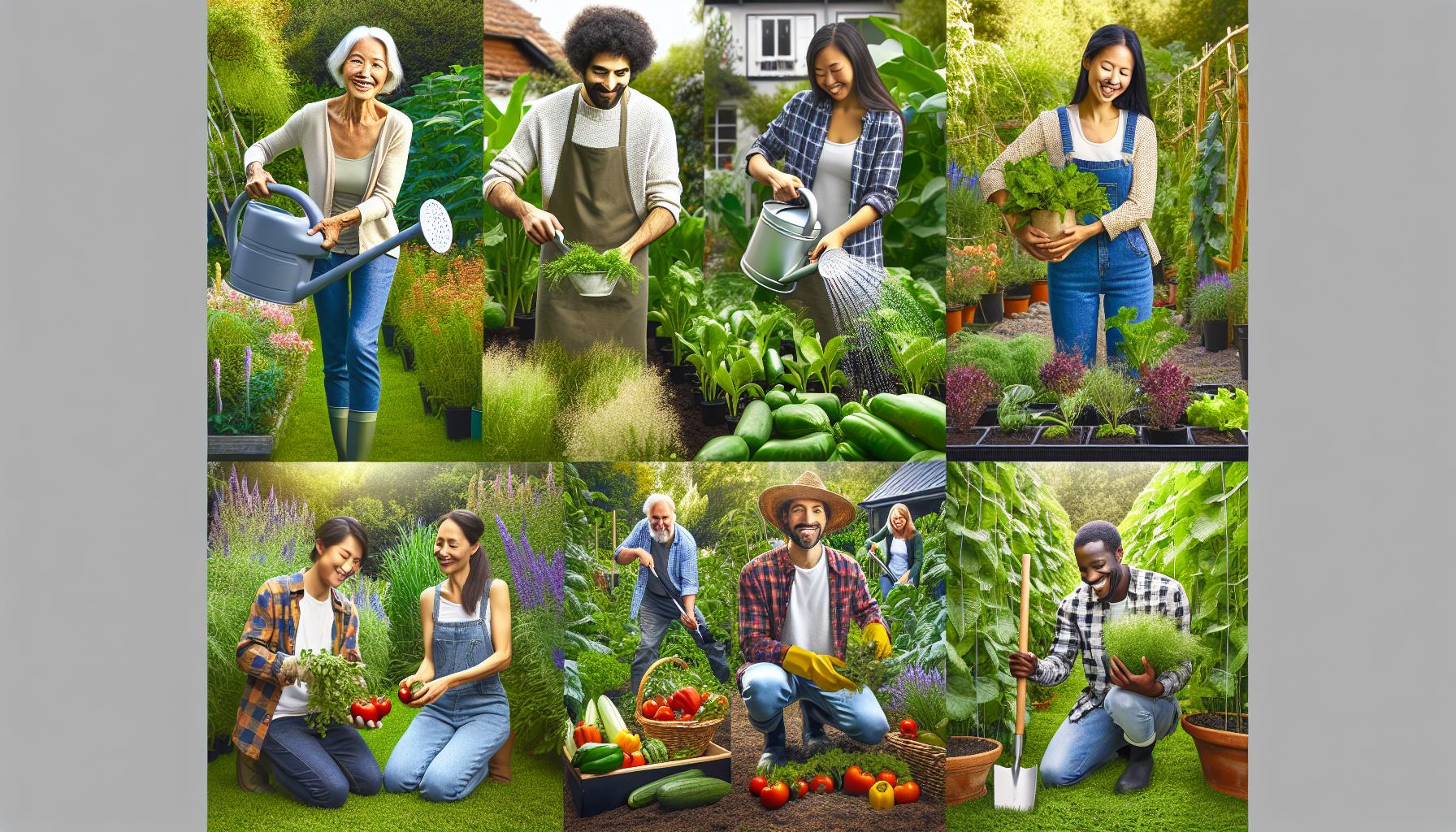
Self-sustainable living offers numerous advantages that extend beyond individual households. The environmental benefits play a crucial role in promoting a healthier planet.
Environmental Impact
Self-sustainable living significantly reduces ecological footprints. Implementing practices like composting and organic gardening improves soil health. Energy-efficient devices and renewable energy sources lower greenhouse gas emissions. Adopting water conservation techniques prevents resource depletion. Biodiversity thrives in self-sufficient ecosystems, fostering habitats for various species. Sustainable homes contribute to cleaner air and waterways, enhancing overall ecological resilience. By embracing these methods, individuals support a more balanced natural environment.
Financial Savings
Financial savings emerge as a key benefit of this sustainable lifestyle. Growing food at home diminishes grocery bills, especially for frequently used items. Utilizing solar panels decreases reliance on utility companies, leading to lower monthly costs. Efficient appliances consume less energy, translating into reduced electricity expenses. Rainwater harvesting can cut down on water bills. Over time, individuals realize significant savings as initial investments pay off. Living sustainably transforms expenditures into long-term financial benefits.
Health and Well-Being
Health and well-being improve through self-sustainable living practices. Access to homegrown produce ensures fresh, chemical-free food options. Engaging in physical activities, such as gardening, promotes fitness and mental clarity. Sustainable living encourages mindfulness about resource use and personal impact. Connection with nature fosters mental health benefits, reducing stress and anxiety. Community involvement and collaboration build strong social ties. Together, these elements create a fulfilling and balanced lifestyle.
Challenges and Solutions
Self-sustainable living presents various challenges that individuals may encounter on their journey toward self-sufficiency. Understanding these obstacles enables better preparation and effective solutions.
Common Obstacles
Limited space often hinders the ability to grow food, especially in urban environments. Access to resources like water and soil quality can complicate gardening efforts. Moreover, financial constraints may restrict the purchase of necessary equipment like solar panels or rainwater systems. Time considerations also affect participation in sustainable practices due to busy schedules. Lastly, lack of knowledge regarding sustainable methods can discourage individuals from fully committing to this lifestyle.
Tips for Overcoming Challenges
Starting small makes self-sustainable living more manageable and less overwhelming. Incorporating container gardening allows individuals with limited space to grow their own food. Seeking out local community groups can provide valuable resources and support networks. Engaging in online workshops enhances knowledge about sustainable practices. Budgeting carefully allows for gradual investments in tools and technologies that promote self-sufficiency. Lastly, setting aside dedicated time each week fosters consistent engagement with sustainable activities.
Future Generations
Embracing self-sustainable living offers a pathway to greater independence and resilience. By cultivating food and adopting eco-friendly practices, individuals can significantly enhance their quality of life while contributing positively to the environment. This lifestyle not only fosters creativity but also strengthens community ties, making it easier to share resources and knowledge.
As individuals take small steps toward sustainability, they’ll likely discover newfound joy in their efforts. The benefits extend far beyond personal gain, promoting a healthier planet for future generations. With thoughtful planning and a commitment to continuous learning, anyone can embark on this rewarding journey toward self-sufficiency.